Consistency is one of the most important factors in athletic performance, regardless of sport. Athletes often focus heavily on training volume, intensity, and skill development, but overlook one critical piece of the puzzle: recovery.
Without proper recovery, even the best training plans can fall short. Fatigue accumulates, movement quality declines, and performance becomes unpredictable. Smarter recovery helps athletes show up ready, move better, and train consistently week after week.
Why Consistency Matters in Training and Performance
Consistency is what allows progress to compound over time. Athletes who can train regularly without interruption develop better movement patterns, stronger conditioning, and greater confidence.
When recovery is neglected, athletes often experience:
- Lingering soreness that affects movement
- Reduced energy during training sessions
- Increased risk of overuse injuries
- Inconsistent performance from day to day
Recovery is not about doing less. It is about creating the conditions that allow athletes to do more, more often.
The Physical Toll of Training Across Sports
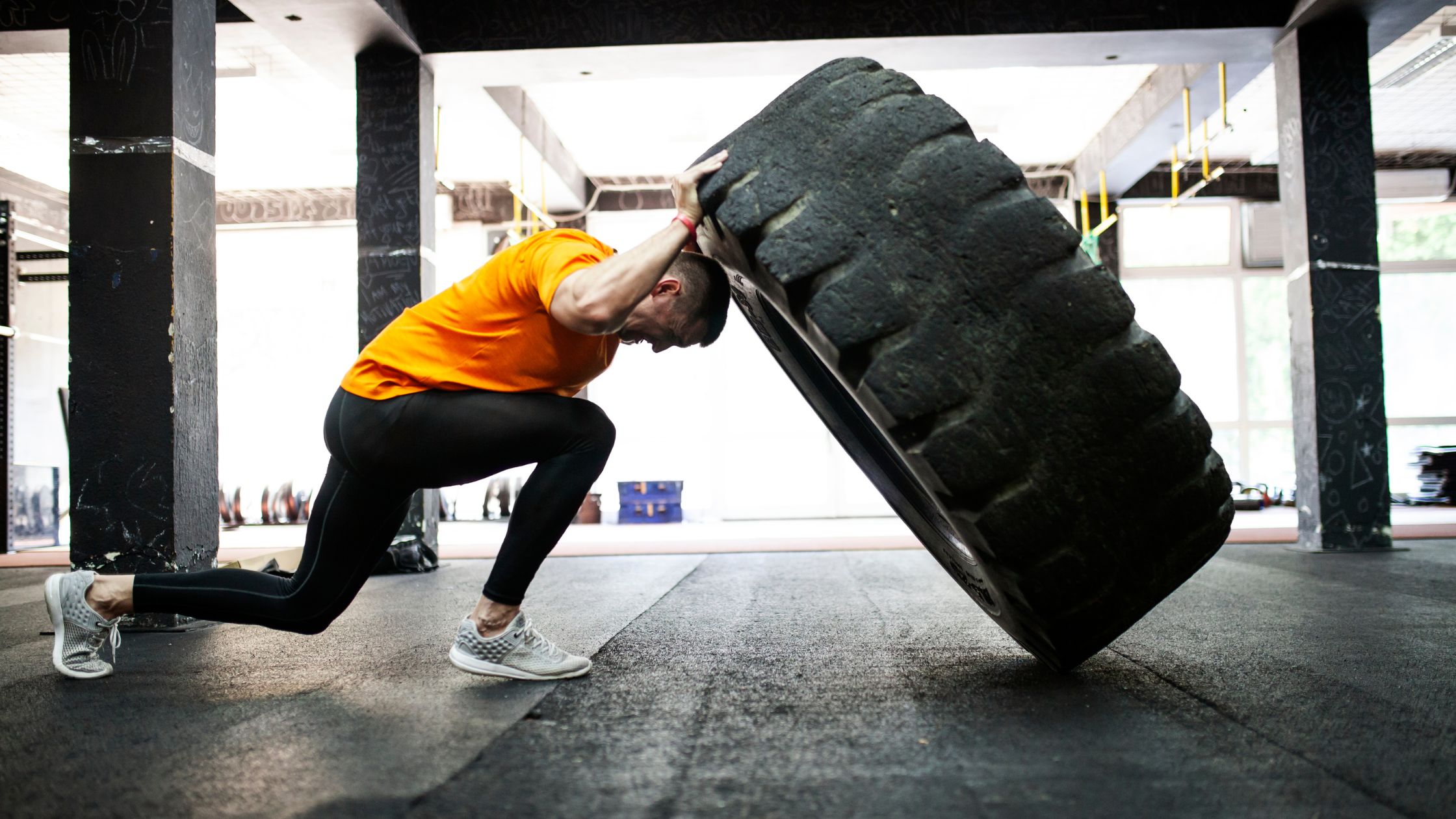
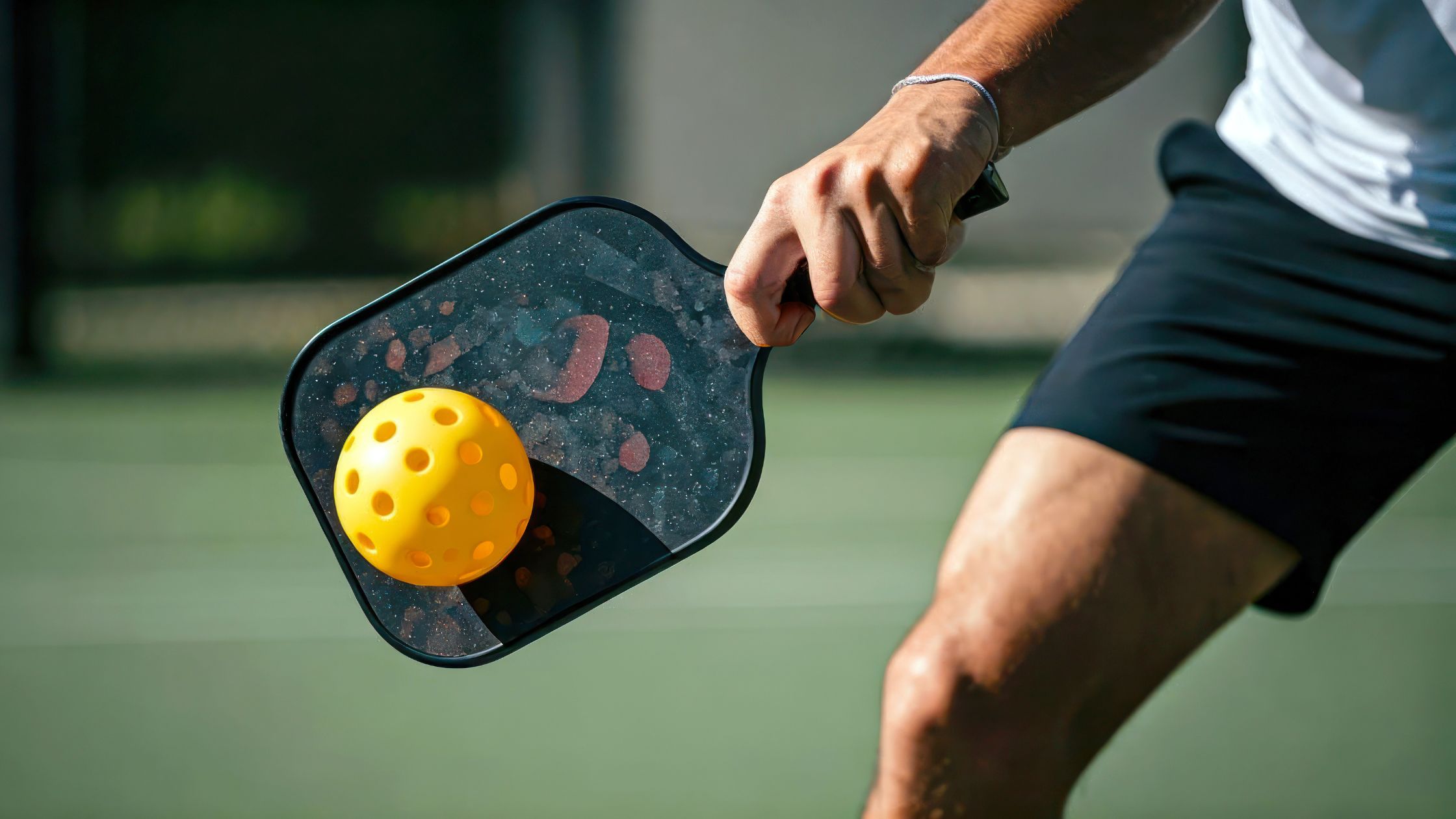
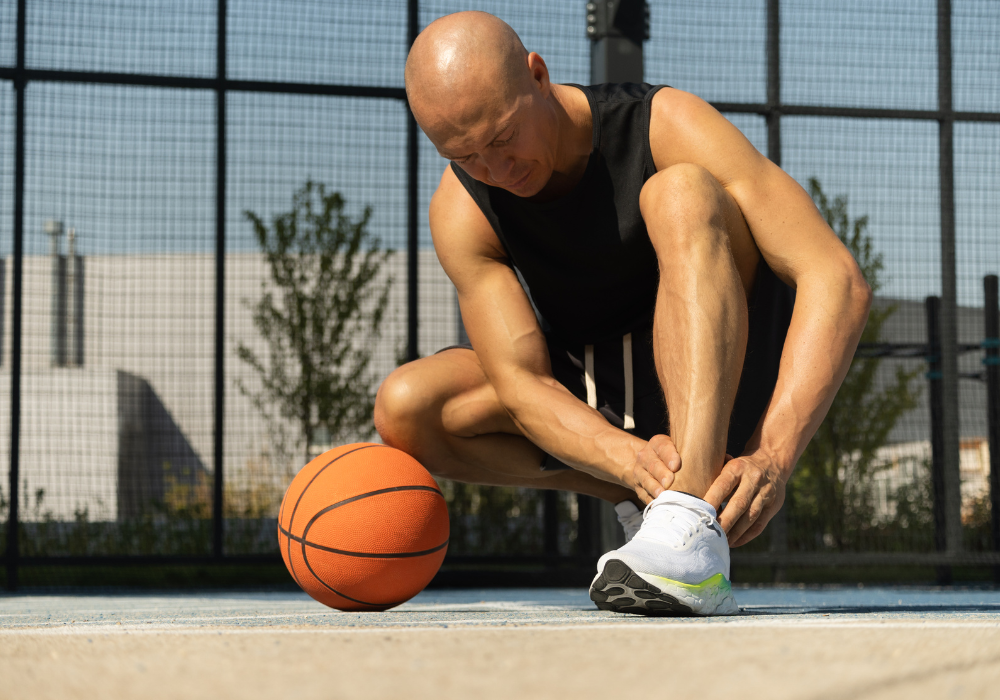
Whether an athlete plays basketball, pickleball, baseball, or participates in general fitness training, the body experiences repeated stress. Joints, muscles, and connective tissues absorb impact, tension, and load every session.
Over time, this stress can result in:
- Swelling in frequently used joints
- Muscle tightness that limits range of motion
- Fatigue that affects coordination and timing
Without intervention, these issues can snowball into missed practices, limited performance, or forced time off.
The Role of Cold and Compression in Recovery
Cold and compression therapy have long been used to support recovery by helping the body manage stress more effectively.
Cold therapy helps calm overworked tissues and manage post-activity soreness. Compression supports circulation and fluid movement, which can help reduce stiffness and swelling.
When combined, these tools can support recovery without adding complexity to an athlete’s routine.
How Squid Go Supports Smarter Recovery
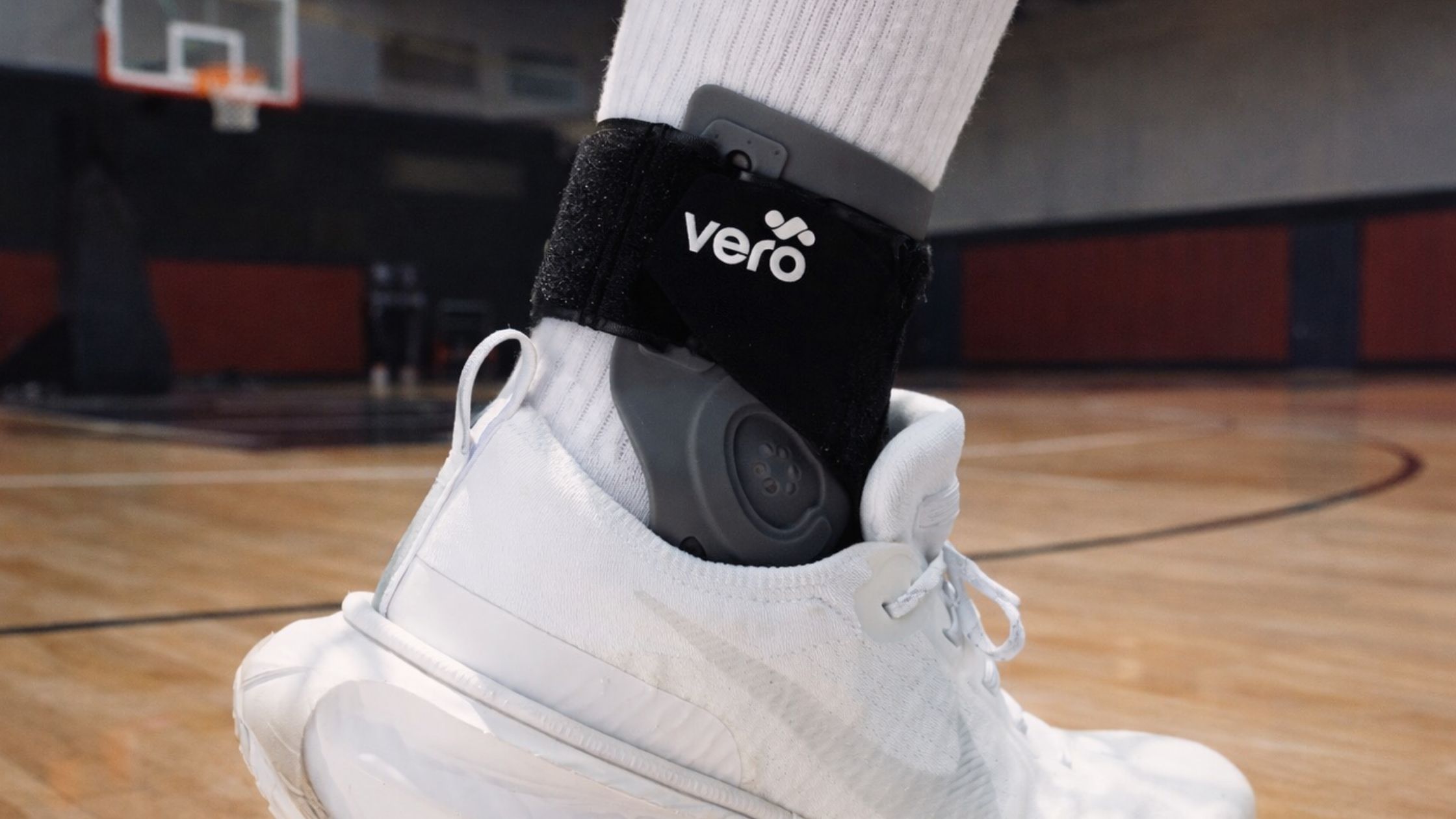
Squid Go is a cold and compression therapy system designed for athletes who train year-round. It combines controlled cold exposure with adjustable compression to support recovery after practices, games, and training sessions.
Key benefits of Squid Go include:
- Cold therapy to support post-training comfort
- Compression to encourage circulation
- Targeted sleeves for common stress areas such as ankles, knees, wrists, elbows, shoulders, and back
- Simple, time-efficient sessions that fit into real schedules
Instead of pushing through discomfort, athletes can actively support recovery and prepare for what comes next.
Recovery Across Multiple Sports
One of Squid Go’s strengths is its versatility. Athletes across different sports face similar recovery challenges, even if their movements differ.
Squid Go supports recovery for:
- Basketball players managing joint impact
- Indoor athletes dealing with repetitive movement
- Baseball players preparing for increased throwing and sprinting volume
- Fitness-focused athletes training multiple days per week
Recovery that adapts to the athlete, not the sport, helps maintain consistency across seasons.
Building a Consistent Recovery Routine
The most effective recovery strategies are consistent and repeatable. Athletes often benefit from using Squid Go:
- After practices or games
- Following strength or conditioning sessions
- During heavy training weeks
- On rest days to manage residual soreness
When recovery becomes part of the routine, performance becomes more predictable.
Train Hard. Recover Smarter.
Consistency is built on availability, movement quality, and readiness. Training develops performance, but recovery protects it.
Squid Go helps athletes support their bodies so they can train consistently, perform confidently, and move through their season with fewer setbacks. Smarter recovery is one of the most powerful tools an athlete can use to stay strong all season long.