Winter sports and winter training bring a unique set of physical challenges. From basketball and indoor pickleball to winter conditioning and early-season baseball prep, athletes often increase intensity while dealing with colder temperatures, tighter muscles, and less recovery time.
While winter training can build strength and resilience, it also places repeated stress on the body. Without proper recovery, those stresses can quietly add up, leading to stiffness, fatigue, and reduced performance over time.
Understanding how winter sports affect the body is the first step toward recovering smarter and staying consistent throughout the season.
Why Winter Training Is Harder on the Body
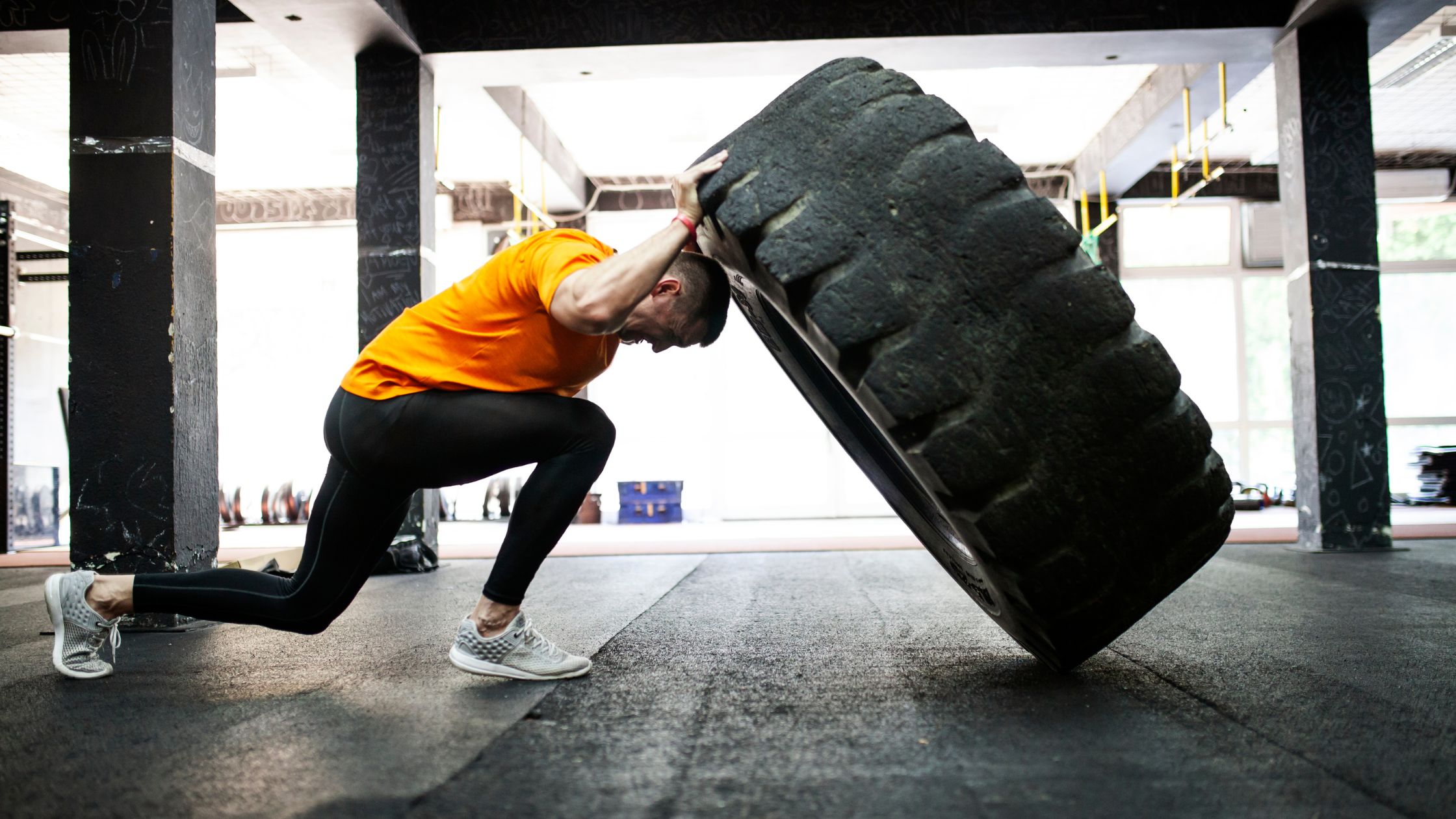
Cold weather and indoor environments change how the body moves and responds to stress. Common challenges during winter sports include:
- Reduced muscle elasticity: Cold temperatures make muscles feel tighter, increasing resistance during movement and raising the risk of strain.
- Higher training density: Many winter sports involve frequent practices, games, and tournaments with limited rest days.
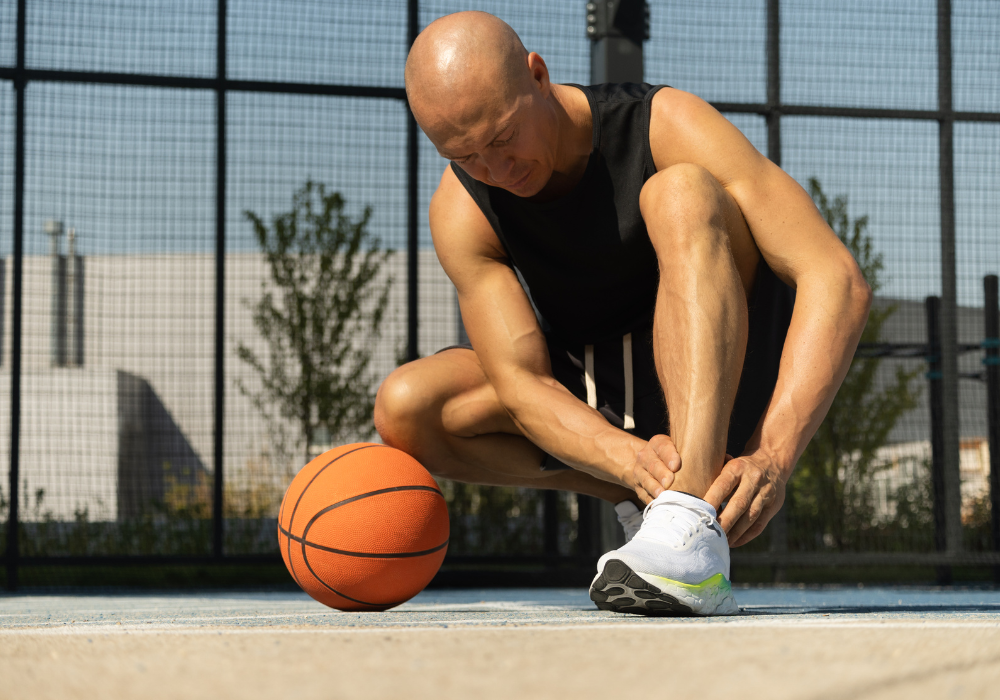
- Hard indoor surfaces: Basketball courts, gym floors, and indoor training spaces increase joint impact and repetitive loading.
- Limited warm-up time: Busy schedules often lead to rushed warm-ups, leaving muscles and joints underprepared.
Over time, these factors can lead to lingering soreness, swelling, and general fatigue that affect performance and recovery.
The Role of Smarter Recovery
Recovery is not just about rest. It is about actively helping the body reset so athletes can continue training and competing without breakdown.
Effective recovery supports:
- Reduced post-activity soreness
- Improved circulation
- Faster return to training readiness
- Better movement quality over time
This is where cold and compression therapy can play a valuable role.
How Squid Go Supports Smarter Recovery
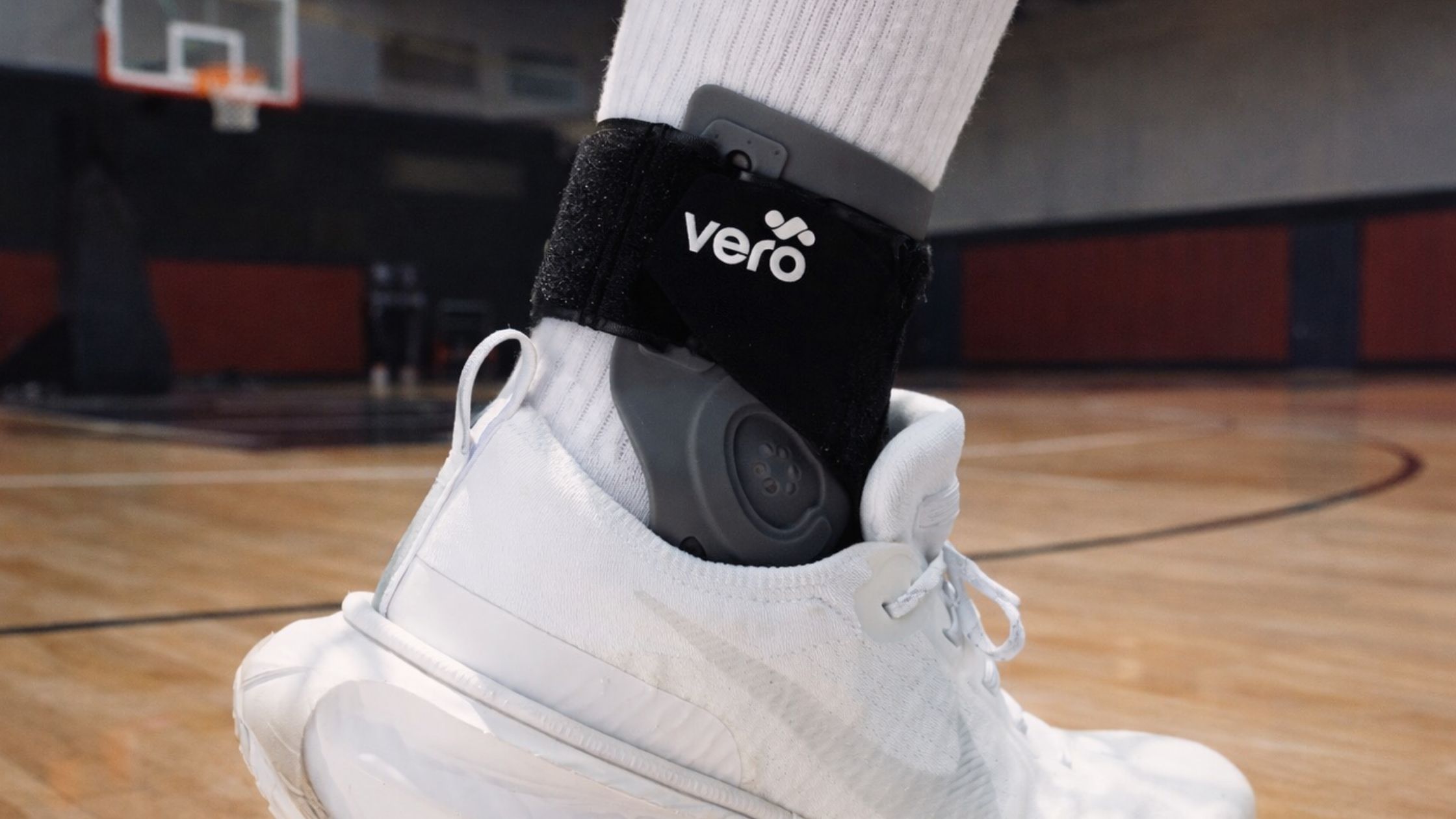
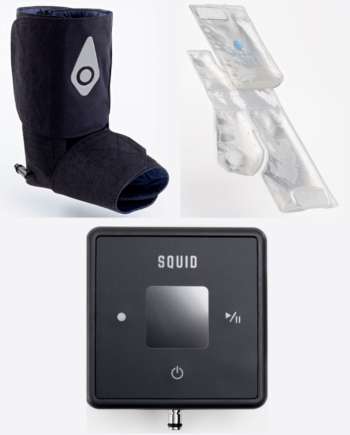
Squid Go is a cold and compression therapy system designed to support recovery after training, competition, or long days on your feet. By combining controlled cold exposure with adjustable compression, Squid Go helps the body manage stress more efficiently.
Key recovery benefits of Squid Go include:
- Cold therapy to calm overworked tissues: Cold helps manage inflammation and post-activity soreness common in winter sports.
- Compression to support circulation: Gentle compression encourages fluid movement, which can help reduce swelling and stiffness.
- Targeted application: Squid Go can be used on common stress areas like knees, ankles, shoulders, wrists, and elbows.
- Easy integration into routines: Whether at home, after practice, or between games, Squid Go fits easily into a winter recovery plan.
Instead of pushing through soreness, athletes can use Squid Go to actively support the recovery process.
Winter Sports That Benefit From Squid Go
Squid Go is especially useful during winter and early spring sports such as:
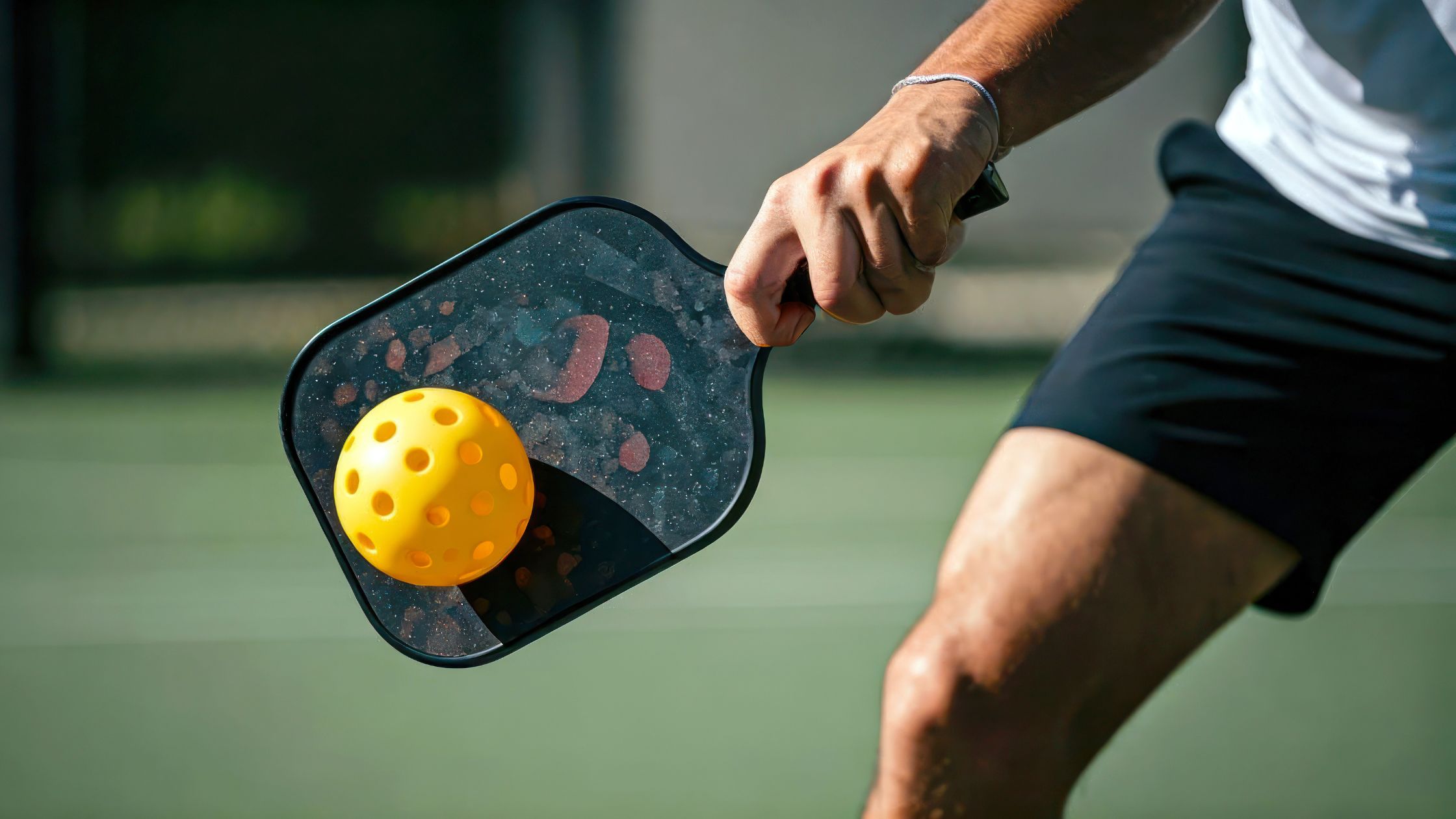
- Basketball
- Indoor pickleballSquid Go can be used on common stress areas like knees, ankles, shoulders, wrists, and elbows.
- Volleyball
- Indoor training and conditioning
- Early baseball and softball prep
- General fitness and strength training
Any athlete dealing with repetitive impact, tight muscles, or joint stress can benefit from smarter recovery habits.
Building a Consistent Winter Recovery Routine
Recovery works best when it is consistent. Athletes often see the most benefit when Squid Go is used:
- After practices or games
- Following strength or conditioning sessions
- On rest days to manage lingering soreness
- During multi-day tournaments or heavy training weeks
Pairing recovery tools with proper hydration, mobility work, and adequate sleep helps support overall performance throughout the winter season.
Recover Smarter All Season Long
Winter sports demand resilience, consistency, and smart decision-making. While training builds strength, recovery protects it.
Squid Go helps athletes recover smarter by supporting the body where winter stress shows up most. With cold and compression working together, athletes can stay more comfortable, train more consistently, and move into spring feeling stronger and more prepared.
Smarter recovery is not about doing less. It is about giving your body what it needs to keep going.