Basketball is a fast, reactive sport that demands quick cuts, explosive jumps, and constant changes of direction. While these movements drive performance, they also place significant stress on one of the most vulnerable joints in the body: the ankle.
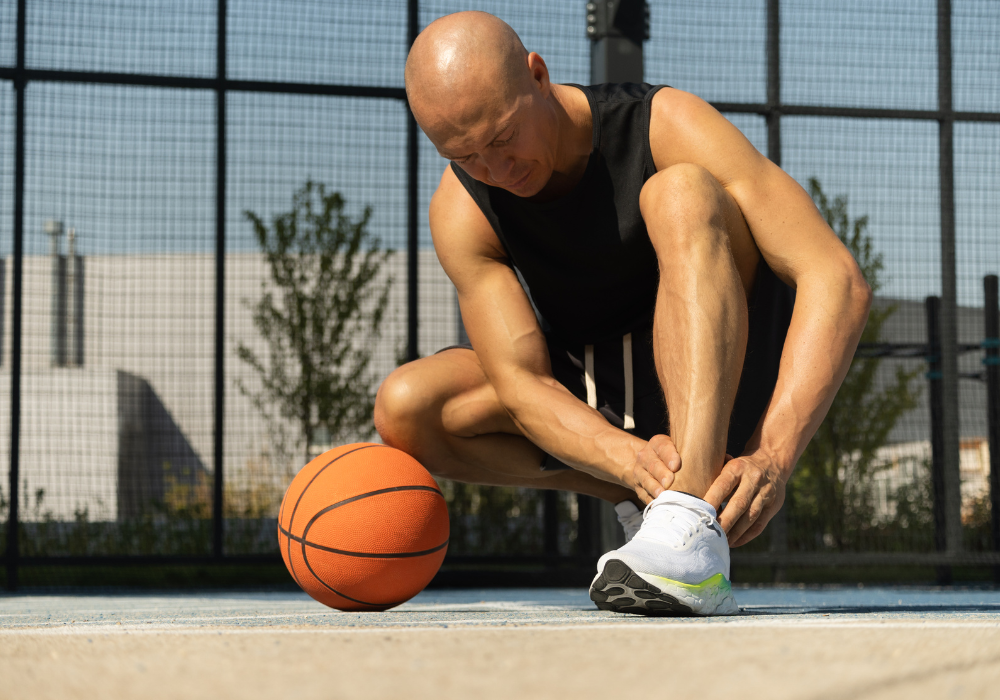
For basketball players at every level, ankle instability is one of the most common barriers to consistent play. Whether it shows up as recurring soreness, a feeling of weakness, or repeated sprains, poor ankle support can limit confidence and increase injury risk throughout the season.
Understanding why ankle stability matters and how to support it properly is key to staying on the court and playing at full speed.
Why Basketball Is Hard on the Ankles
Basketball movements are inherently demanding. Athletes repeatedly load the ankle joint through jumping, landing, sprinting, and lateral movement, often on hard indoor surfaces. Common stressors include:
- Sudden changes in direction during defensive slides
- One-foot landings after rebounds or layups
- Repetitive jumping and impact
- Uneven foot placement during cuts and pivots
Over time, these forces can challenge the ligaments and stabilizing muscles that protect the ankle. Even minor instability can affect balance, reaction time, and overall confidence during play.
The Cost of Ankle Instability
An unstable ankle does not just affect the foot. It influences movement throughout the entire kinetic chain. When the ankle lacks support, the body often compensates in ways that increase strain elsewhere.
Basketball players with ankle instability may experience:
- Hesitation during cuts or jumps
- Reduced explosiveness off the floor
- Poor balance on one leg
- Increased stress on the knees and hips
- Higher risk of re-injury after a sprain
Confidence is also impacted. Players who do not trust their ankle often hold back subconsciously, which can affect performance just as much as physical limitations.
The Role of External Ankle Support
Proper ankle support can help bridge the gap between protection and performance. The goal is not to restrict natural movement, but to provide stability where the joint needs it most.
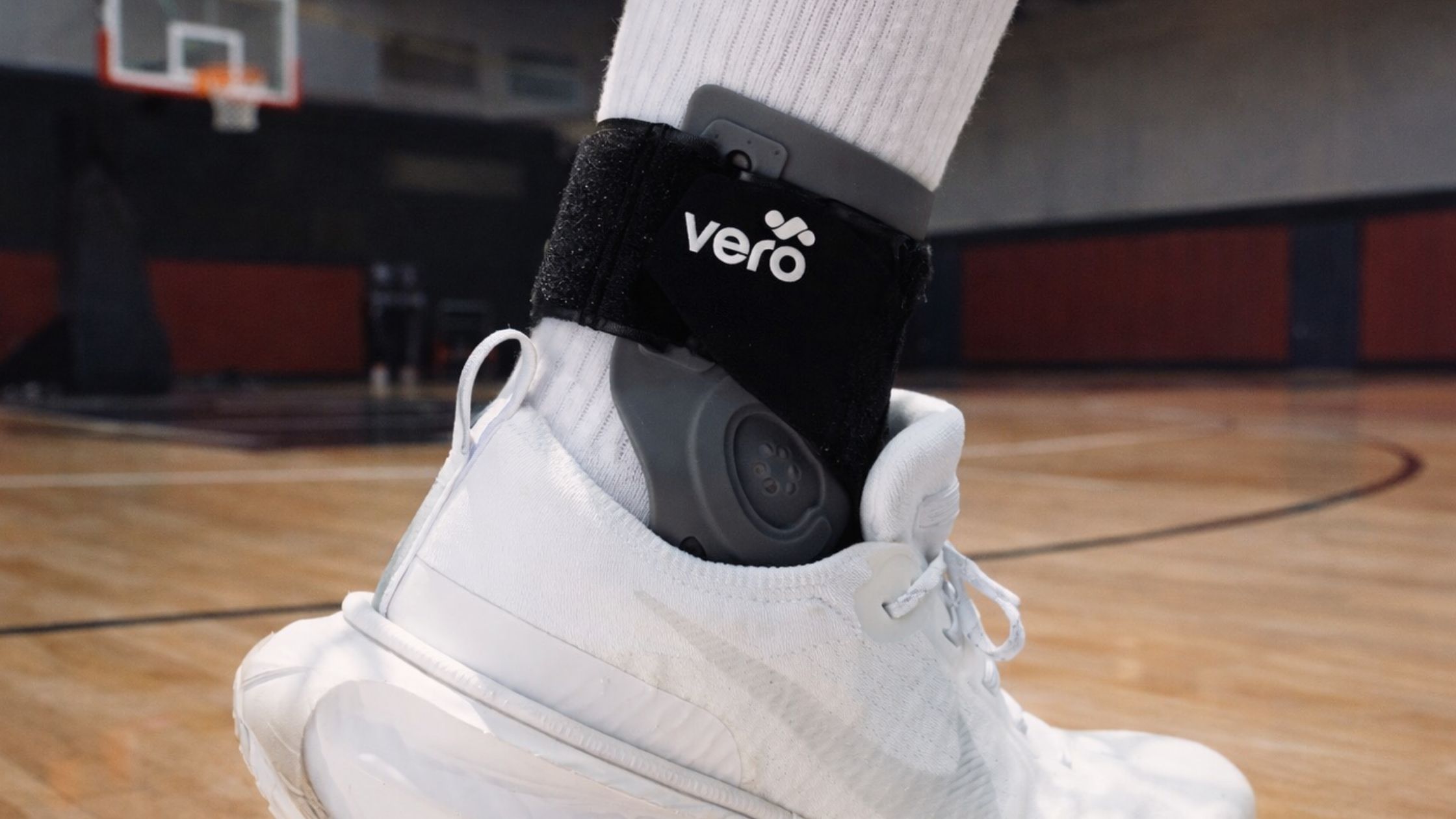
The Vero Ankle® Brace is designed to support the ankle during dynamic activity while still allowing functional movement. Unlike bulky or rigid braces, it focuses on controlled support that adapts to the demands of the sport.
How Vero Ankle® Supports Basketball Players
Vero Ankle® is built to meet the needs of athletes who rely on speed, agility, and confidence. Its design supports basketball-specific movement by helping to:
- Stabilize the ankle during lateral cuts and pivots
- Support controlled landings after jumps
- Reduce excessive movement that can lead to rolling
- Maintain comfort during extended play
Because it is low-profile and designed to move with the athlete, it fits easily inside basketball shoes without disrupting feel or performance.
Supporting Performance and Prevention
Ankle support is not only for athletes recovering from injury. Many players use braces proactively to reduce stress and support long-term durability.
Using Vero Ankle® during practices, games, and high-intensity training sessions can help basketball players:
- Move with more confidence
- Reduce hesitation during aggressive play
- Support consistent mechanics throughout the season
- Stay available for practices and games
When athletes trust their ankles, they move more freely and perform more consistently.
Stay on the Court All Season Long
Basketball seasons are long, and the demands add up quickly. Supporting ankle stability is one of the smartest ways players can protect their bodies and maintain performance from the first tip-off to the final game.
Vero Ankle® helps basketball players move with confidence, control, and stability when it matters most. Strong ankles support strong performance, and consistent support helps athletes stay in the game.